



Navigating the Labyrinth: Deconstructing America’s Housing Affordability Crisis
For over a decade, my work in real estate and urban development has consistently brought me face-to-face with the burgeoning housing affordability crisis gripping communities across the United States. It’s a topic that dominates headlines, fuels political debate, and, more importantly, impacts the fundamental well-being and economic stability of millions. The dream of homeownership, once a cornerstone of the American ethos, now feels increasingly distant for a significant segment of the population, while even securing stable rental housing presents formidable challenges.
The complexity of this crisis demands a nuanced understanding, one that moves beyond simplistic scapegoating or partisan rhetoric. What we are witnessing isn’t merely a cyclical market fluctuation but rather the culmination of deep-seated structural issues, decades of policy choices, and evolving demographic and economic forces. As a seasoned observer and participant in the real estate market, I can attest that unraveling these threads is crucial for crafting effective, sustainable solutions. This article will dissect the multifaceted nature of the housing affordability crisis, moving beyond surface-level discussions to reveal its true economic drivers and propose actionable strategies, with a steadfast focus on sustainable urban planning and effective housing policy. Understanding these dynamics is the first step toward re-establishing a healthier, more equitable housing landscape for all.

The Anatomy of a Systemic Challenge: Unpacking the Housing Affordability Crisis
The term “housing affordability crisis” might sound like abstract economic jargon, but its tangible effects are felt by families struggling to make rent, young professionals priced out of vibrant urban centers, and middle-income earners watching homeownership slip further out of reach. Recent housing market trends paint a stark picture: the median age of first-time homebuyers has steadily climbed, now often exceeding 40, a significant jump from prior generations. Simultaneously, the share of Americans who can realistically afford to purchase a home has plummeted. Where a decade ago, roughly half of American households could comfortably afford a median-priced home, that figure has now dwindled to a quarter, if not less, in many key markets.
This isn’t merely about rising housing costs; it’s about the widening chasm between income growth and escalating property values. Stagnant wages for many, coupled with persistent inflation in the cost of living, exacerbate the problem. The ripple effect extends far beyond individual budgets, impacting local economies, exacerbating economic inequality, and undermining community well-being. Businesses struggle to attract and retain talent in areas with prohibitive housing expenses, and commutes lengthen as workers are pushed to the fringes in search of cheaper accommodation. The strain on family finances often leads to deferred healthcare, educational opportunities, and long-term financial planning, ultimately chipping away at the foundation of a stable society. Addressing this pervasive housing affordability crisis is not just an economic imperative but a social one, essential for fostering resilient communities and ensuring broad-based prosperity. Insights gleaned from comprehensive market analysis reports consistently highlight these alarming trends, underscoring the urgency of the situation.
Deconstructing the Supply-Demand Imbalance: The Core Driver of High Housing Costs
At its heart, the housing affordability crisis is a classic economic tale of supply and demand. For years, the United States has been grappling with a severe housing shortage, a direct consequence of chronic underbuilding that has failed to keep pace with population growth and evolving household formations. Following the 2008 financial crisis, new residential construction plummeted and was slow to recover, largely due to a combination of tighter lending standards, a dwindling construction labor force, and soaring material costs. Developers, facing higher risks and thinner margins, became more cautious, further constricting the pipeline of new homes.
Current estimates from reputable sources like Zillow and the National Association of Realtors suggest a national deficit ranging from 4 to 7 million homes. This deficit isn’t evenly distributed; it’s particularly acute in desirable metropolitan areas and rapidly growing sunbelt cities. When demand consistently outstrips available housing supply, prices inevitably rise. This basic economic principle is perhaps the most fundamental driver of our current predicament.
Adding another layer of complexity are fluctuating mortgage rates. While the Federal Reserve’s actions to combat inflation have led to higher borrowing costs, these rates significantly impact purchasing power. A seemingly small percentage increase can translate into hundreds of dollars added to monthly mortgage payments, effectively sidelining a substantial number of prospective buyers, especially those reliant on FHA or conventional loan products. This creates a bottleneck: fewer people can afford to buy, but the pressure on the rental market intensifies as a result, pushing rents skyward as well.
The solution, though conceptually simple, is profoundly challenging to implement: we need to build more homes. And not just any homes, but a diverse range of housing types that cater to various income levels. This includes a significant increase in multifamily housing developments, often referred to as “missing middle” housing—duplexes, townhomes, and small apartment buildings—which offer a more attainable entry point into the market than detached single-family homes. Securing investment property financing for these projects, however, can be complex, requiring innovative approaches and sometimes public-private partnerships. Addressing this systemic supply deficit is paramount to alleviating the persistent housing affordability crisis. Furthermore, streamlining processes for affordable housing development is an imperative to bridge this gap.
Institutional Investors: Symptom or Scapegoat in the Housing Affordability Crisis?
One of the most emotionally charged aspects of the housing affordability crisis narrative revolves around the role of large institutional investors. It’s an easy target: the image of Wall Street firms buying up homes while families struggle resonates deeply. However, as an industry expert examining the data, it’s crucial to separate fact from politically expedient fiction.
The reality, according to analyses from the U.S. Government Accounting Office and the Urban Institute, is that large institutional investors—those typically owning thousands of homes—hold a relatively small fraction, generally between 1-3%, of the total single-family housing stock nationwide. To put this in perspective, individual homeowners collectively account for approximately 87% of the market, while smaller “mom-and-pop” investors, who might own a handful of rental properties, hold about 11%. Blaming institutional players for the entire housing affordability crisis is akin to blaming a small leak for a dam’s collapse; it distracts from the deeper structural issues. Furthermore, extensive studies analyzing metropolitan areas have found no direct correlation between the share of institutional investor-owned homes in a market and overall home price appreciation. Price increases are a broad market phenomenon driven by the overarching supply-demand imbalance, not singularly by these entities.
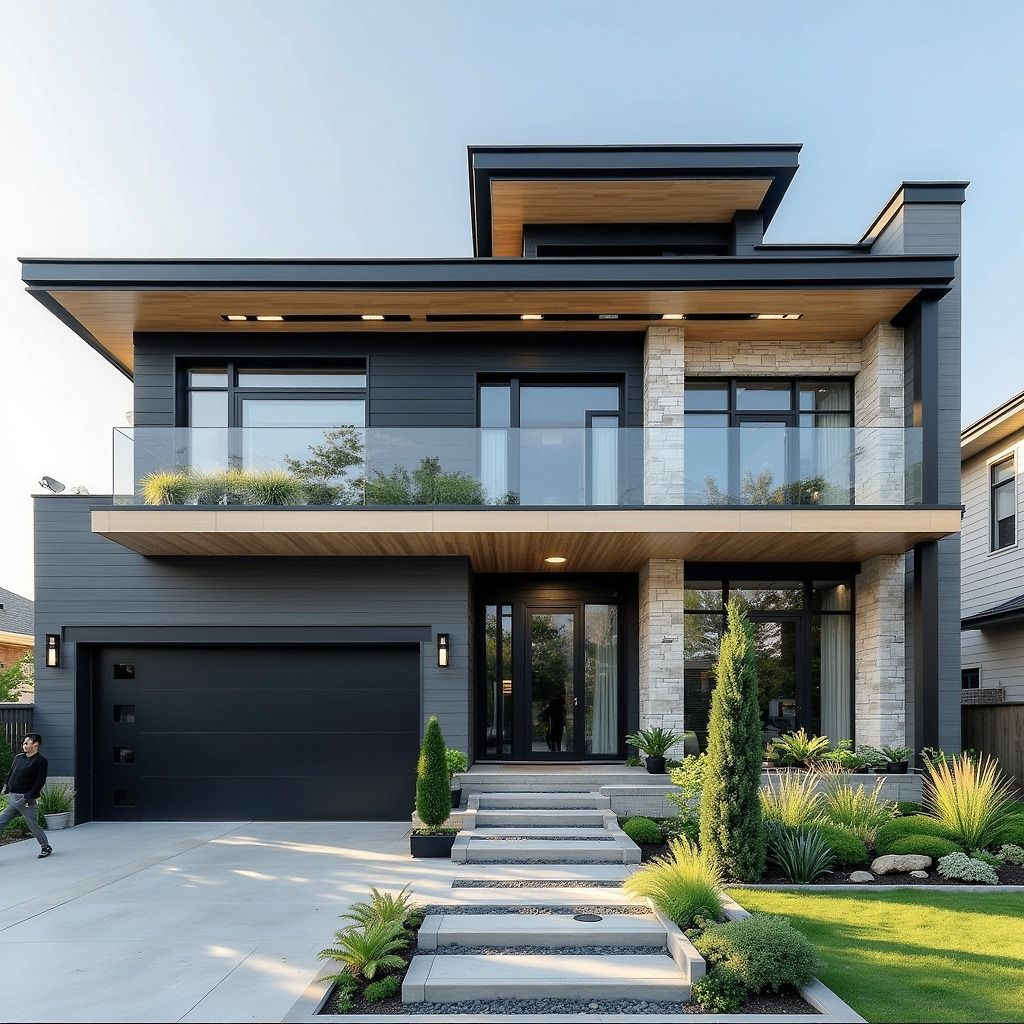
Yet, to dismiss the impact of corporate landlords entirely would be equally disingenuous. While not the primary cause of the nationwide price escalation, their presence can certainly exacerbate local market pressures and have significant, often detrimental, effects on specific communities and tenant well-being. My own research, mirroring findings from institutions like Washington University in St. Louis, indicates that corporate investors tend to concentrate their purchases in particular markets, often those with a high proportion of low-income racial minorities. In cities like St. Louis, Cincinnati, and Atlanta, certain neighborhoods have seen more than half of their housing stock fall under corporate ownership.
Here, the focus shifts from property values to tenant experience. Research consistently shows that institutional landlords, driven by quarterly returns and optimized real estate investment strategies, often maximize profits at the expense of tenant safety and quality of life. This can manifest as aggressive rent increases, a higher propensity for eviction filings, dangerous lapses in maintenance, and the imposition of steep, often opaque, fees. Such practices erode tenant stability, create precarious living conditions, and severely limit the ability of low-income residents to build wealth through eventual homeownership. This is where the intersection of economic inequality and the housing affordability crisis becomes most apparent. Effective property management solutions should prioritize both profitability and tenant welfare. While restricting all institutional investment might be an overreaction, enhancing tenant protections and increasing regulatory oversight where these entities operate is a critical step towards mitigating their negative impacts and ensuring fairer practices in the rental market.
The Shackles of Local Zoning and Regulatory Bottlenecks
Beyond the macroeconomics of supply and demand and the specific dynamics of investor behavior, a powerful, often overlooked, driver of the housing affordability crisis lies in local land use policies: namely, exclusionary zoning and cumbersome permitting processes. These regulations, often rooted in historical practices, severely restrict the types and density of housing that can be built, particularly in desirable urban and suburban areas.
The “Not In My Back Yard” (NIMBY) phenomenon is a potent force. Existing residents, often motivated by a desire to preserve neighborhood character, maintain property values, or avoid increased traffic, frequently oppose new multifamily housing developments. This leads to stringent zoning regulations that often mandate large lot sizes, prohibit multi-unit dwellings, and impose excessive parking requirements, all of which drive up construction costs and limit the overall housing supply. The Brookings Institution, for example, highlights that in three-quarters of American cities, it remains illegal to build anything other than single-family detached homes on vast swathes of residential land. This artificial scarcity is a primary contributor to the high housing costs we observe today.
The historical context of these zoning laws is particularly salient. As early as the 1920s, explicit racial zoning was employed to enforce segregation, followed by decades of redlining, racial covenants, and blockbusting. While overtly racial zoning is now illegal, its legacy persists in exclusionary practices often euphemistically labeled “snob zoning.” These policies disproportionately affect low-income communities and communities of color, hindering urban development that could foster greater equity and opportunity.
Furthermore, the bureaucratic hurdles involved in obtaining building permits and navigating environmental reviews add significant time and expense to construction projects. Delays can span years, tying up capital and discouraging developers from undertaking new ventures, particularly for affordable housing development. This regulatory friction increases the final cost of housing units, ultimately passing that burden onto buyers and renters. Meaningful reform of these outdated and often discriminatory housing policy frameworks is not just a recommendation; it is a critical prerequisite for truly tackling the housing affordability crisis at its roots. This is where sustainable urban planning can play a transformative role, by promoting more diverse housing options and streamlined regulatory frameworks.
Legislative Approaches and Pathways Forward: Strategic Interventions for a Healthier Housing Market
Recognizing the gravity of the housing affordability crisis, both federal and local governments have begun to explore legislative remedies. Recent bipartisan efforts, for instance, have aimed to boost housing supply by streamlining environmental reviews, reforming zoning regulations, and incentivizing the production of manufactured homes. These legislative packages often include grants and loans for multifamily housing developments, as well as assistance for homeowners and landlords undertaking essential repairs. Such initiatives are certainly steps in the right direction, acknowledging the need for federal intervention and recognizing the importance of diverse housing options.
However, as an expert in the field, I must inject a dose of pragmatism. Many proposed bills, while well-intentioned, often provide the perception of corrective action without fully addressing the deep-seated structural issues that make housing so expensive in the first place. Legislative impact on prices and affordability will remain limited unless policy directly confronts the measures that genuinely increase housing supply and reduce construction barriers.
To genuinely move the needle on the housing affordability crisis, a multi-pronged, comprehensive approach is essential:
Zoning and Land Use Reform: Local governments must be incentivized, and in some cases, mandated, to loosen exclusionary zoning restrictions. This means allowing for higher density, mixed-use developments, and a greater variety of housing types, including accessory dwelling units (ADUs) and small-scale multifamily housing, in more areas.
Streamlined Permitting: Reducing bureaucratic red tape and accelerating the approval process for new construction can significantly lower costs and encourage more development. This also includes exploring innovative construction techniques and materials that can reduce build times and expenses for affordable housing development.
Targeted Financial Support: While general subsidies can be effective, targeted grants, low-interest commercial real estate loans, and down payment assistance programs for first-time homebuyers, particularly in underserved communities, can help bridge the affordability gap. Support for community land trusts and non-profit developers focused on permanent affordable housing solutions is also crucial.
Addressing Investor Impact: Rather than blanket prohibitions, focus on regulations that ensure ethical property management solutions from all landlords, corporate or otherwise. This includes strengthening tenant protections, regulating rent increases in specific high-need areas, and providing legal aid for tenants facing eviction. This is particularly relevant in areas where concentrated institutional ownership has demonstrated negative impacts, such as those discussed in St. Louis, Cincinnati, and Atlanta.
Infrastructure Investment: Investing in robust public transportation, utilities, and community services in areas ripe for new development can make more land viable for housing, decentralizing demand from overcrowded urban cores. This is a key component of sustainable urban planning.
Workforce Development: Addressing the labor shortage in the construction trades through vocational training and apprenticeship programs can help drive down construction costs and accelerate project timelines.
The continued lack of affordable housing is not merely an inconvenience; it’s a major driver of economic inequality, poverty, and poor quality of life, eroding individual health and community well-being. Failure to address the true drivers of the housing affordability crisis will mean more Americans will be less able to achieve the “American Dream” of homeownership. This dream, traditionally serving as a powerful economic engine, possesses a multiplier effect, generating wealth and creating supportive conditions for humans to advance. Affordable housing is the foundational bedrock upon which other legal entitlements, opportunities, and wealth building strategies can be achieved and secured.
The path forward requires a unified vision, collaboration across political divides, and a steadfast commitment to implementing systemic changes rather than superficial fixes. The insights from comprehensive market analysis reports and housing market trends demand bold, informed action.
Take the Next Step Towards a Solution
The housing affordability crisis is a monumental challenge, but it is not insurmountable. Understanding its complexities is the first step toward effective action. If you’re a policymaker, developer, community leader, or concerned citizen looking to make a tangible impact, I encourage you to delve deeper into these issues. Partner with experts in sustainable urban planning, explore innovative affordable housing development models, and advocate for progressive housing policy reforms in your community. Let’s collaborate to build a future where every American has access to safe, stable, and affordable housing.