



Navigating the Great Divergence: An Expert’s Outlook on the US Housing Market in 2026
From my vantage point, having navigated the intricate currents of the real estate sector for over a decade, it’s clear the US housing market is poised at the precipice of a transformative shift as we approach 2026. What was once a broadly appreciating, albeit overheating, national market is now fracturing into distinct regional narratives, demanding a nuanced understanding from homebuyers, sellers, and especially real estate investors. We are entering an era of unprecedented regional divergence, where localized economic drivers, demographic shifts, and a recalibration of pandemic-era trends will dictate property values and transactional dynamics. This isn’t just a market correction; it’s a fundamental restructuring.
The overarching narrative centers on a profound split: the Sun Belt, once the darling of explosive growth, is wrestling with an oversupply and demand deceleration, while the Rust Belt and parts of the Northeast are demonstrating surprising resilience, buoyed by sustained demand and tight inventory. Understanding these forces, and their specific impacts on the broader US housing market, is paramount for anyone making strategic decisions in the coming years.
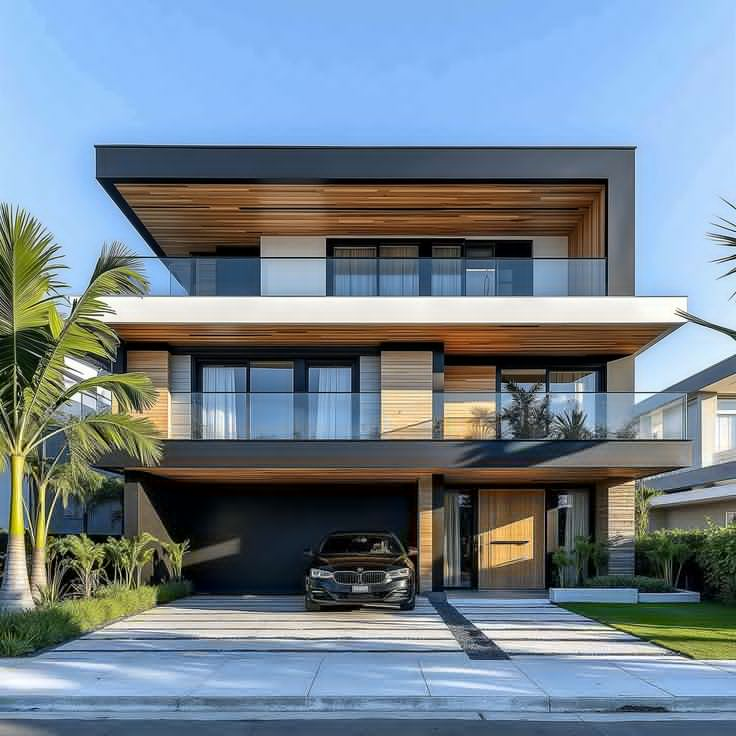
The Sun Belt’s Sobering Reality: From Boom to Bust?
The Sun Belt, encompassing states like Florida, Texas, and Arizona, experienced an unprecedented surge in demand between 2020 and 2022. This period was characterized by a confluence of factors: the widespread adoption of remote work, a search for perceived affordability, lower tax burdens, and a generally more attractive cost of living compared to traditional high-cost coastal hubs like California and New York. Millions flocked to cities like Austin, Nashville, Phoenix, Orlando, and Dallas, igniting a fervent housing market frenzy. Developers, keen to capitalize on this boom, responded with a significant increase in construction, leading to a palpable expansion of new residential communities across these regions.
However, the landscape began to shift dramatically. The return-to-office mandates, increased mortgage rates, and escalating housing costs ultimately dampened the domestic migration wave. Many who had relocated found themselves facing the prospect of returning to their previous states, or simply unable to sustain the newfound, yet rapidly appreciating, expenses of their new homes. The crucial metric of “Mortgage Cost/Income Ratio,” which ideally should hover below 28 percent, has ballooned to over 35 percent in many Sun Belt locales. This affordability crisis has significantly eroded the buying power of prospective homeowners, leading to a tangible reduction in housing demand.
What we are witnessing now, from Miami to Las Vegas, and from Houston to Tampa, is a mounting inventory of available properties. The frenetic pace of construction, once a testament to robust growth, has now resulted in an oversupply in many sub-markets. Buyers, regaining a crucial negotiating edge, are exercising caution, and sellers are beginning to experience the discomfort of protracted listing times and price reductions. In October 2025, for instance, we observed median home sale prices in Florida and Texas registering slight annual declines, a stark contrast to the national average still showing modest appreciation. This trend, particularly evident in the highly elastic luxury property market segments that saw rapid gains, signifies a significant deceleration in overall housing market growth in these areas.
This current trajectory is not merely a cyclical downturn; it’s a structural re-evaluation. The “legitimately cheap and affordable” status of Sun Belt markets pre-pandemic has vanished, replaced by a new normal of elevated costs and diminished relative value. For those considering investment property analysis in these regions, a meticulous approach to local market conditions, absorption rates, and rental yield potential is absolutely critical. Identifying specific pockets of resilience versus areas of sustained decline will be the key to successful real estate portfolio management.
The Rust Belt’s Resurgence: Quiet Strength in the Midwest and Northeast
In stark contrast to the Sun Belt’s woes, cities across the Rust Belt and certain Northeast markets are demonstrating a surprising resilience, even strength. Locations such as Cleveland, Hartford, Albany, Chicago, Detroit, Pittsburgh, and Milwaukee are not experiencing the same inventory buildup. Instead, these markets often boast tight inventory levels, which continue to support price appreciation, albeit at a more sustainable pace.
The underlying factors are multifaceted. While these regions have also seen an increase in their Mortgage Cost/Income Ratios—moving from approximately 20 percent to 30 percent in states like Ohio, Illinois, and Michigan—this level remains significantly more palatable for local buyers. Unlike the Sun Belt, where the influx of out-of-state buyers fundamentally altered the cost structure, these markets have largely maintained an affordability that aligns with local wage growth and economic stability. This means that a greater proportion of the local populace can still qualify for mortgages, translating to more sustainable demand.
Furthermore, these regions are benefiting from a phenomenon I’ve termed “reverse pandemic migration.” As remote work flexibility diminishes, and individuals seek the stability of established job markets, or return closer to family and established social networks, the appeal of these historically robust metropolitan areas is growing. The relatively lower cost of living, coupled with stable employment sectors (healthcare, education, manufacturing, tech innovation hubs), provides a robust foundation for continued, albeit perhaps slower, housing market appreciation.
From an investment property analysis perspective, these markets present a different calculus. While rapid appreciation might not be the primary driver, consistent cash flow from rentals and steady, long-term equity growth can make them attractive for wealth preservation real estate strategies. Investors seeking predictable returns and a hedge against volatility might find more stable ground in the Midwest and Northeast, where the demand-supply equilibrium remains more favorable for sellers. Understanding the nuances of localized job growth, public infrastructure investments, and demographic changes in specific cities like Indianapolis or Buffalo can unveil significant opportunities for real estate investment strategy.
Macroeconomic Undercurrents Shaping the US Housing Market

Beyond regional dynamics, broader macroeconomic forces continue to exert significant influence over the entire US housing market. Interest rates, primarily driven by Federal Reserve policy in response to inflation, remain a dominant factor. While there’s a general expectation for rates to stabilize or even slightly decline in the latter half of 2025 and into 2026, any significant upward pressure could further exacerbate affordability issues nationwide. Higher rates directly impact monthly mortgage payments, shrinking the pool of eligible buyers and increasing the Mortgage Cost/Income Ratio, particularly in already stretched Sun Belt markets.
Inflation, though showing signs of moderation, still impacts construction costs, labor, and ultimately, the pricing of new homes. While material costs have somewhat normalized from their pandemic peaks, a tight labor market in construction continues to exert upward pressure. This creates a challenging environment for builders, who must balance rising input costs with diminished buyer affordability, especially in regions experiencing demand contraction. This tension is particularly relevant for those tracking sustainable housing development and its associated cost implications.
The labor market also plays a crucial role. A robust job market, with sustained wage growth, is fundamental to housing affordability. While unemployment remains historically low, real wage growth has struggled to keep pace with inflation and housing cost increases for many segments of the population. This disconnect is a primary driver of the affordability challenges we see today, pushing homeownership further out of reach for many first-time buyers.
Furthermore, evolving demographic trends, such as the aging Baby Boomer generation, the homeownership aspirations of Millennials, and the entry of Gen Z into the rental and starter home markets, will continue to shape demand. The supply-demand imbalance, a chronic issue for years, while temporarily eased in some Sun Belt areas, persists in others, particularly in high-demand, low-inventory regions and in affordable segments across the nation. This backdrop necessitates a deep dive into market trend forecasting that considers both micro and macro variables.
An Expert’s View: Strategic Implications for 2026 and Beyond
For those of us entrenched in real estate analytics and advising clients on their property portfolio optimization, the current environment demands foresight and adaptability. The notion of a universally appreciating US housing market is obsolete.
For Homebuyers:
Sun Belt: Patience is a virtue. As inventory continues to accumulate, buyers in markets like Phoenix, Austin, and parts of Florida will likely see more negotiating leverage, potential price adjustments, and a wider selection. However, discerning true value from overvalued assets is critical. Careful property valuation services will be invaluable.
Rust Belt/Northeast: Be prepared for continued competition. Tight inventory means fewer options and sustained pricing power for sellers. Acting decisively with a clear financial strategy and pre-approved financing will be advantageous. Explore opportunities in up-and-coming neighborhoods that offer relative affordability.
For Homeowners (Sellers):
Sun Belt: Realistic pricing strategies are paramount. Overpriced listings will languish. Understanding local comps, being willing to negotiate, and potentially investing in minor updates to enhance appeal will be key to a successful sale in this buyer’s market. Don’t expect pandemic-era windfalls.
Rust Belt/Northeast: While market conditions remain favorable, a well-executed marketing strategy and precise pricing are still important. Leverage the limited inventory to your advantage, but avoid overconfidence that could deter potential buyers.
For Real Estate Investors:
This is where the true strategic opportunities and risks lie.
Regional Diversification: A truly intelligent real estate investment strategy in 2026 will emphasize regional diversification. Blindly chasing past performance in the Sun Belt without rigorous investment property analysis is perilous. Consider allocating capital to markets exhibiting stable growth and positive demographic trends in the Midwest and Northeast.
Focus on Fundamentals: Income-generating properties, particularly in areas with strong rental demand and favorable landlord-tenant laws, will be crucial. Analyze cash flow, vacancy rates, and the long-term economic outlook of specific locales. Don’t be swayed by speculative plays.
Debt Management: With mortgage rates elevated, optimizing mortgage refinancing strategies and understanding the implications of different loan products (e.g., adjustable-rate vs. fixed-rate options) is more important than ever for commercial property investment and residential portfolios alike.
Due Diligence: Enhanced due diligence on local market supply, demand drivers (job growth, population shifts), and future development pipelines is non-negotiable. Leverage predictive real estate analytics and engage local market experts. Consider exploring niche markets or specific property types (e.g., affordable housing, multi-family units in growing urban cores) that might offer more stability.
The bifurcation of the US housing market in 2026 is not a temporary anomaly but rather a reflection of deeper economic and demographic shifts. It requires a strategic, informed, and adaptable approach from all participants. The era of broad, uniform growth is behind us. The new era is defined by regional specificities, demanding a sophisticated understanding of local market dynamics and an unwavering focus on fundamental value.
To navigate this complex, yet opportunity-rich, landscape and refine your real estate investment strategy or homeownership plans, I encourage you to seek personalized guidance. Connect with a trusted real estate professional or financial advisor who specializes in your desired markets to develop a robust strategy tailored to your unique objectives. The market rewards preparation and informed decision-making.