
Navigating the Shifting Tides: An In-Depth Look at the Washington State Housing Market in 2025 and Beyond
As someone who has navigated the intricacies of the real estate sector for over a decade, I’ve witnessed firsthand the dramatic shifts and subtle recalibrations that define dynamic markets like ours. The Washington State housing market has been a fascinating case study in recent years, oscillating between frenetic boom and a more measured, albeit still competitive, landscape. If you’re pondering a significant move in real estate, whether as a first-time buyer, a seasoned investor, or a homeowner looking to sell, understanding the current pulse and future trajectory of the Washington State housing market is paramount.
We stand at a pivotal juncture in 2025. The intense bidding wars and sky-high appreciation rates that characterized the immediate post-pandemic era have largely receded, giving way to a more nuanced environment. Yet, this isn’t a return to a stagnant market; rather, it’s a rebalancing act, presenting both unique challenges and compelling opportunities. This comprehensive analysis will peel back the layers of current trends, delve into the driving forces, and offer a data-backed forecast for the Washington State housing market through 2026. My goal is to equip you with the insights necessary to make informed decisions in this evolving real estate climate.
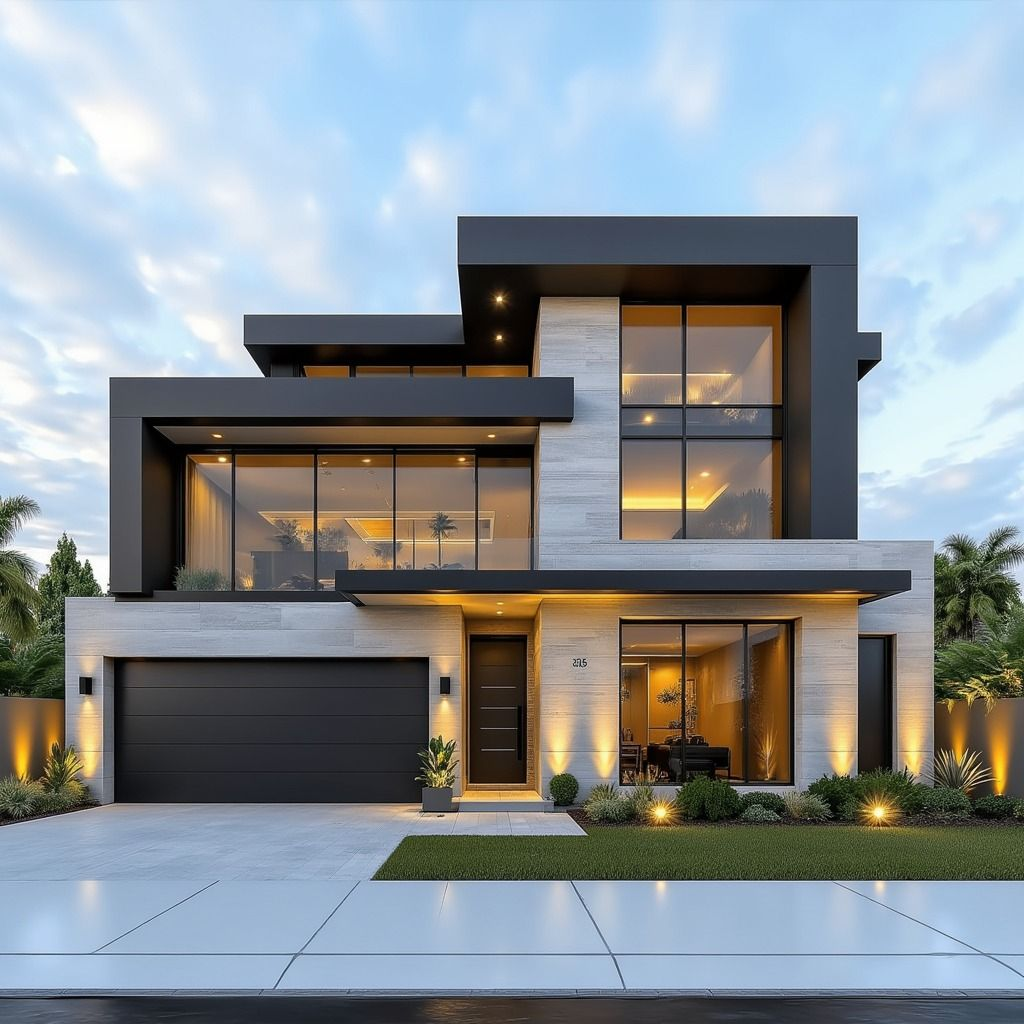
Decoding Current Dynamics: Key Trends Shaping the Washington State Housing Market
The second quarter of 2025 has offered a clearer picture of the Washington State housing market, revealing several interconnected trends that demand our attention.
Resurgent Sales Volume: A Glimmer of Renewed Activity
After a period of constrained activity, the Washington State housing market is demonstrating a healthy rebound in sales volume. Data from the Washington Center for Real Estate Research (WCRER) for Q2 2025 indicates a robust 47.4% surge in existing home sales quarter-over-quarter, totaling 21,257 units. This isn’t just a quarterly anomaly; we also saw a 2.1% increase year-over-year, suggesting a broader upward trend.
From my perspective, this uptick is a strong indicator of renewed buyer confidence, likely fueled by a combination of factors including stabilizing interest rates and an expanded array of choices. However, it’s crucial to acknowledge the inherent heterogeneity of the Washington State housing market. While overall sales are up, regional disparities persist. For example, Asotin County experienced an astonishing 230.8% quarter-over-quarter jump, whereas Adams County saw a 16% year-over-year decline. Even dominant metropolitan areas like King County, a cornerstone of the Seattle housing market, while witnessing a substantial 53.5% quarterly increase, recorded a slight 3.4% dip year-over-year. This underscores the enduring adage: all real estate is local, and a deep dive into specific sub-markets is essential for any Washington State real estate trends analysis.
Price Stability with Moderate Appreciation: A Welcome Shift from Hyper-Growth
The “million-dollar question” (often literally, especially in areas like the Bellevue property values spectrum) regarding home prices in the Washington State housing market reveals a narrative of stabilization and modest growth rather than dramatic shifts. The statewide median sales price for a single-family home reached $675,600 in Q2 2025, marking a 0.9% increase compared to the previous year. This figure, while modest, signifies resilience and a departure from the unsustainable double-digit percentage gains seen in earlier years.
The nuanced picture shows price increases in 11 out of 16 metropolitan counties. Lincoln County, for instance, showcased an impressive 21.6% year-over-year appreciation. Conversely, areas with smaller transaction volumes, like Ferry County, experienced significant price drops (39.3% year-over-year), highlighting the volatility that can occur in less liquid markets. The hierarchy of expense remains largely consistent, with King County leading at a median of $1,028,800, closely followed by San Juan County ($1,019,200). For those exploring the more affordable segments of the Washington State housing market, Ferry County offers the lowest median at $185,000.
It’s important to clarify the common query: “Are home prices dropping in Washington?” Based on current data, a widespread price crash across the Washington State housing market is not occurring. While localized corrections are natural and expected within certain segments or neighborhoods, the overarching trend points to stabilization and measured growth, providing a more sustainable foundation for long-term Washington State property values.
Swelling Inventory: A Breath of Fresh Air for Buyers
Perhaps the most encouraging development for prospective homeowners in the Washington State housing market is the significant expansion of available inventory. At the close of Q2 2025, we saw 21,077 single-family homes listed for sale. This represents a remarkable 71.3% jump from the previous quarter and a substantial 37.5% increase year-over-year.
From an industry expert’s vantage point, this surge in housing supply is a game-changer. It alleviates some of the intense pressure that buyers have faced in recent years, offering more choices and reducing the urgency to engage in immediate bidding wars. The months of supply, a key metric indicating how long it would take to sell all available homes at the current pace, has risen to 3.0 months, up from 2.6 months last quarter and 2.02 months a year ago. A higher months of supply typically signals a more balanced market, moving away from the extreme seller’s advantage we’ve grown accustomed to. This trend is vital for healthy market functionality and is a critical component of any comprehensive Washington State real estate forecast.
The Nuance of a “Balanced” Market: Beyond Black and White
Given these dynamics, is the Washington State housing market now a buyer’s market? Not entirely, but it is certainly shifting towards a more balanced equilibrium. The substantial increase in inventory empowers buyers, granting them more leverage in negotiations and a wider selection of properties, from Tacoma homes for sale to Spokane property values. The days of waiving all contingencies are becoming less common in many areas.
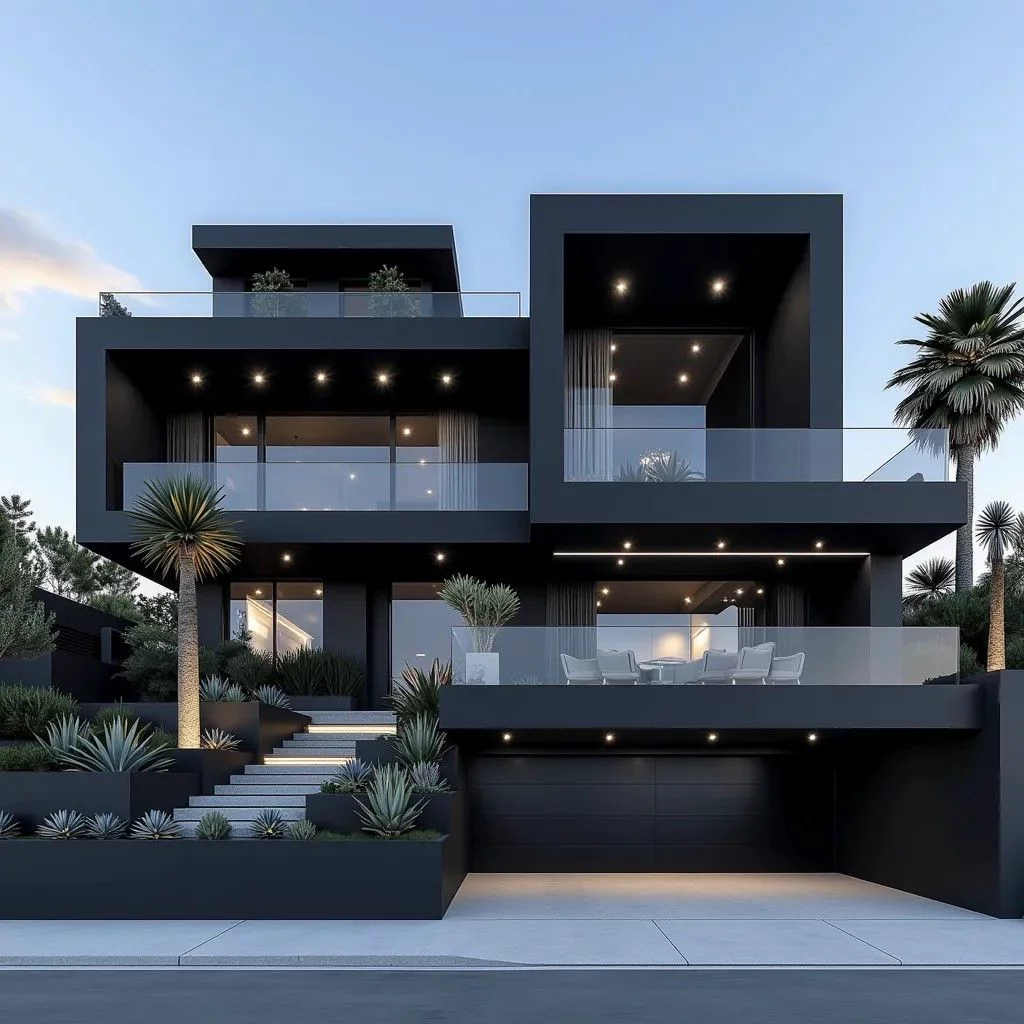
However, calling it a full-blown buyer’s market statewide would be an oversimplification. Highly desirable locales, especially within the King County housing market or niche luxury homes Washington State segments, often retain a competitive edge due to persistent demand. Furthermore, despite increased inventory and stabilizing rates, the median home prices remain elevated, presenting an ongoing challenge for affordability, particularly for first-time buyers. The state’s affordability index for median-income buyers stands at 60.7, meaning they possess only 60.7% of the income needed to purchase a median-priced home. For first-time buyers, it’s a starker 43.3. This persistent affordability gap often acts as a natural ceiling on demand, even with improved supply.
Underlying Influences: Dissecting the Drivers of the Washington State Housing Market
Beyond the raw numbers, several critical factors are shaping the current and future landscape of the Washington State housing market.
The Enduring Impact of Mortgage Rates
Mortgage rates have been the puppet masters of real estate activity for the past few years. As of early September 2025, the average 30-year fixed mortgage rate hovers around 6.5%, with the 15-year fixed rate at approximately 5.6%. While these rates are considerably higher than the historical lows of 2020-2021, they have shown a welcome trend downwards from their peaks, leading to increased optimism among market participants.
This downward trajectory in mortgage interest rates Washington has profound implications. For potential buyers, it translates into more manageable monthly payments, potentially pulling fence-sitters back into the market. From a seller’s perspective, it broadens the pool of eligible buyers. Moreover, falling rates have reignited the refinancing market, with mortgage applications for refinancing nearing 47% – the highest level in some time. This indicates homeowners are keen to lock in lower payments or tap into their home equity, often for renovation projects that can further enhance Washington State property values. My projection is that the 30-year fixed mortgage rate will likely conclude 2025 somewhere between 6.0% and 6.5%, a range that offers greater predictability and encourages sustained activity within the Washington State housing market.
The Role of New Construction and Building Permits
New construction is a vital component in addressing housing shortages and influencing overall supply within the Washington State housing market. Encouragingly, building permit activity is on an upward trend, with 8,916 new units authorized, representing a 3.0% increase year-over-year. This consistent, albeit modest, growth in new housing starts is crucial. While not a silver bullet, sustained construction efforts will gradually contribute to balancing the supply-demand equation, particularly in rapidly expanding urban centers and their surrounding suburbs. For real estate investment Washington, keeping an eye on development hotspots can yield significant returns.
Economic Undercurrents: Jobs, Inflation, and Consumer Confidence
The broader economic health of Washington State, characterized by a robust tech sector, strong job growth, and relatively low unemployment, provides a resilient backdrop for the housing market. Continued economic expansion generally supports housing demand and underpins price stability. However, the lingering specter of inflation and the Federal Reserve’s monetary policy responses will continue to influence interest rates and, by extension, affordability. Consumer confidence, tied to job security and personal financial outlook, is also a subtle yet powerful force dictating buyer sentiment. Any significant shifts in these macro-economic indicators could alter the trajectory of the Washington State housing market.
A Glimpse into the Future: Washington State Housing Market Forecast 2025-2026
Forecasting the future of any market, especially real estate, involves navigating a complex web of variables. However, leveraging current data, established economic models, and a decade of market observation, I can offer a reasoned outlook for the Washington State housing market through 2026.
2025 Outlook: Sustained Equilibrium and Measured Growth
Continued Market Balancing: Expect the Washington State housing market to continue its journey toward a more balanced state. The increased inventory is here to stay for the short term, providing relief for buyers, while prices are likely to appreciate at a more sustainable, slower pace. This equilibrium fosters a healthier market environment for all participants.
Modest Increase in Sales Volume: With mortgage rates stabilizing within the 6.0%-6.5% range and inventory continuing its upward trend, we anticipate a modest yet consistent increase in the number of home sales compared to 2024. This signals a return to more typical transaction volumes.
Moderate Price Appreciation: While we won’t see a return to the double-digit percentage gains, home prices in the Washington State housing market are forecast to continue their upward trend, albeit in the low to mid-single digits. This reflects underlying demand and a generally healthy economic environment.
Affordability Remains a Persistent Challenge: Despite slight improvements from stabilizing rates and increased supply, high home prices will ensure that affordability remains a significant hurdle, particularly for first-time buyers and those on lower incomes across Washington State. Creative financing solutions and government assistance programs will become increasingly vital.
2026 Outlook: Growing Predictability and Refined Regional Trends
Enhanced Market Predictability: As the market fully digests the post-pandemic shifts and monetary policy adjustments, 2026 is likely to bring even greater predictability to the Washington State housing market. Builders, responding to sustained demand and more stable material costs, are expected to continue increasing housing starts, further contributing to supply.
Potential for Increased Buyer Engagement: Should mortgage rates continue their stabilization or even dip further (dependent on inflation and Federal Reserve actions), and if wage growth keeps pace with the cost of living, we could witness a more pronounced uptick in buyer activity. This might manifest as increased competition in specific segments, but not to the fever pitch of previous years.
Pronounced Regional Divergence: The adage “all real estate is local” will become even more salient in 2026. Major metro areas, such as the Seattle real estate scene, Vancouver WA housing market, and areas around Spokane, will likely experience faster appreciation and stronger demand due to their economic engines. More rural or less densely populated areas might exhibit different dynamics, potentially offering more attractive entry points for some buyers or longer selling times for sellers. Investors pursuing real estate investment Washington will need granular, localized data.
Focus on Housing Affordability Solutions: Expect continued public and private sector discussions around housing affordability. Innovations in construction, changes in zoning, and new financial products may emerge to address this critical issue, impacting the long-term structure of the Washington State housing market.
| Metric | 2025 Outlook | 2026 Outlook |
|---|---|---|
| Home Sales | Modest increase, returning to more typical volumes | Continued steady activity, with potential for slight, steady increases |
| Home Prices | Moderate, sustainable appreciation (low-mid single digits) | Continued steady appreciation, likely in the low single digits |
| Housing Supply | Continued increase, fostering a more balanced market | Stabilizing or further modest increases, supporting market equilibrium |
| Mortgage Rates | Expected to end year between 6.0% – 6.5% | Potentially stable or slightly lower, contingent on economic stability |
| Affordability | Remains a challenge, but slightly improved by rates | May see slight improvement if wage growth outpaces costs or rates fall |
| New Construction | Continuing to increase, addressing supply gaps | Steady pace, crucial for meeting evolving demand across the state |
It is crucial to underscore that these projections for the Washington State housing market are based on current economic assumptions. Unforeseen global events, significant shifts in monetary policy, or unexpected changes in population migration could always introduce new variables, altering these forecasts.
Conclusion: Navigating the New Normal
The Washington State housing market is clearly in a transitional phase, moving away from the extreme volatility of the recent past towards a more measured and sustainable rhythm. The era of unfettered, rapid appreciation has yielded to a landscape characterized by increased inventory, stabilizing prices, and a return to more conventional market dynamics. For buyers, this newfound supply offers welcome relief and greater opportunity, though affordability remains a significant consideration, especially in prime locations and the luxury real estate Washington segment. For sellers, while the frenzied pace has softened, the market generally remains favorable, particularly for well-maintained properties in desirable areas.
My decade of experience in this industry teaches me that success in real estate hinges on being well-informed and adaptable. As we move through 2025 and into 2026, keeping a close watch on local market conditions, mortgage rate fluctuations, and broader economic indicators will be paramount.
Are you contemplating a move or investment in the evolving Washington State housing market? Understanding these intricate trends is just the first step. For personalized insights tailored to your specific goals and location, I invite you to connect with a trusted local real estate professional who can provide expert guidance and strategic advice. Take the next step towards making your real estate aspirations a reality.