



The Unfolding Saga: How the Tech Sector Continues to Reshape the Seattle Housing Market
For over a decade, I’ve had a front-row seat to the dramatic transformation of the Seattle housing market. It’s a landscape perpetually influenced by the colossal gravitational pull of its burgeoning tech industry. What began as a promising economic surge, fueled by titans like Amazon and Microsoft, has evolved into a complex ecosystem where innovation, prosperity, and profound housing challenges are inextricably linked. This isn’t merely a story of rising home prices; it’s a deep dive into how a concentrated wealth of talent and capital fundamentally alters a city’s fabric, challenging traditional notions of affordability and community.
The Genesis of the Tech Boom and Its Dual Impact on Seattle Real Estate
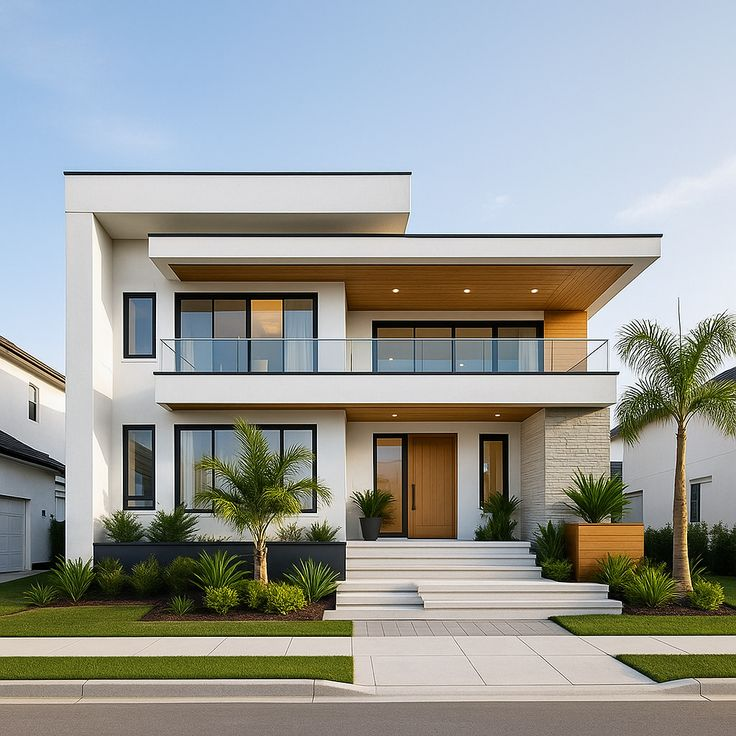
Seattle’s emergence as a global tech epicenter wasn’t an overnight phenomenon. It was a gradual, yet accelerating, process that began drawing top-tier talent from around the world long before the 2010s. The sheer scale of job creation by companies such as Amazon, Microsoft, Google, and Meta established Seattle as a magnet for high-earning professionals. This influx, while undoubtedly a boon for the local economy, served as the primary catalyst for the seismic shifts now characteristic of the Seattle housing market.
From my vantage point, the initial wave was akin to a rapid inflation of demand. Thousands of well-compensated individuals, many relocating from other expensive coastal cities, arrived seeking both rental accommodations and permanent residences. This immediate surge in buyers and renters, often with significant purchasing power, inevitably compressed the existing housing supply. Properties that once lingered on the market were suddenly subject to bidding wars, and rental vacancies plummeted. This dynamic quickly pushed median home prices upwards, setting a new benchmark for what prospective homeowners and renters could expect to pay.
The economic prosperity brought by the tech industry is undeniable. It has spurred immense job growth beyond the tech sector itself, bolstering local businesses, retail, and services. This creates a powerful positive feedback loop: a robust economy attracts more talent, which in turn fuels further economic expansion. However, this prosperity has an often-overlooked corollary: a widening gap in affordability. While high-income tech workers contribute significantly to the tax base and local economy, their buying power often prices out long-term residents, including essential service workers, artists, and families with more moderate incomes. This creates a critical challenge for urban planners and community leaders striving to maintain an inclusive and diverse Seattle housing market. My experience has shown that without proactive measures, this economic dynamism can inadvertently erode the very social fabric that makes a city vibrant.
The Shifting Sands: Unpacking Supply, Demand, and Gentrification in the Seattle Housing Market
The ripple effect of tech growth extends far beyond initial price increases; it has fundamentally reshaped the intricate supply and demand dynamics of the entire Seattle housing market. The core issue remains a persistent mismatch: a booming population, driven by ongoing tech expansion, continues to outpace the rate at which new housing units can be constructed and brought to market.
This imbalance is a multi-faceted problem. On the supply side, Seattle faces significant hurdles. Land availability is finite, particularly within the desirable urban core. Zoning regulations, often intended to preserve neighborhood character, can inadvertently restrict density, making it challenging for developers to build upwards or to introduce diverse housing types like multi-family units or townhomes. Furthermore, community opposition, frequently rooted in concerns about traffic, infrastructure strain, or changing aesthetics (often termed NIMBYism – Not In My Backyard), can significantly delay or even halt proposed developments. This creates a bottleneck that keeps supply artificially constrained, exacerbating the pressure on existing inventory and perpetuating high property values in Seattle.
Consequently, the Seattle housing market has seen an acceleration of gentrification, a process I’ve observed firsthand transforming neighborhoods across the city. As tech workers seek residences close to their workplaces or in areas with desirable amenities, traditionally diverse and affordable neighborhoods become targets for redevelopment and property acquisition. This often leads to skyrocketing rents and property taxes, making it increasingly difficult for long-term residents, particularly those from lower-income backgrounds or minority communities, to remain in their homes. The displacement can be profound, eroding cultural heritage and community ties that have been built over decades. We see the emergence of trendy cafes and high-end boutiques replacing legacy businesses, a tangible manifestation of this cultural and economic shift. Addressing these challenges requires a delicate balance of preserving existing communities while accommodating growth, a central tenet of sustainable urban development Seattle. It’s a nuanced problem, one that demands thoughtful community planning rather than blanket solutions.
The Multiplier Effect of Tech Wealth: IPOs, Investments, and the Luxury Market
A particularly potent force within the Seattle housing market is the wealth generated through tech Initial Public Offerings (IPOs) and subsequent venture capital successes. When a tech company goes public, or achieves a significant valuation event, early employees, executives, and investors can experience sudden, substantial increases in personal wealth. This capital, often in the tens or hundreds of millions, doesn’t just sit idle; it actively seeks avenues for investment and expenditure, with real estate being a prime target.
This influx of new wealth disproportionately impacts the luxury real estate Seattle segment. Tech executives and investors, flush with newly liquid assets, often gravitate towards high-end properties, whether it be sprawling waterfront estates, exclusive downtown penthouses, or architecturally significant homes in prestigious neighborhoods like Madison Park or Laurelhurst. This heightened demand in the upper echelons of the market creates a robust and competitive environment for luxury condos Seattle and other premium offerings. From an investment perspective, these properties often represent stable assets and status symbols. The data consistently shows a strong correlation between significant tech wealth events and spikes in high-end property transactions, reinforcing the perception of Seattle as a city where significant wealth can be made and deployed. Savvy investors seeking high-yield real estate Seattle often look at the luxury segment for both capital appreciation and potential rental income from other high-net-worth individuals.

Beyond luxury homes, this wealth also stimulates broader economic implications. A portion of this capital flows into real estate investment strategies Seattle, including commercial real estate Seattle, funding new office spaces, retail developments, and mixed-use projects. This creates a cyclical effect: more investment in infrastructure and amenities makes Seattle even more attractive to businesses and residents, further solidifying its status as a tech hub. This prosperity also fuels demand for related services, from real estate attorneys Seattle to property management Seattle firms, driving growth across ancillary sectors. The challenge, however, is ensuring that the benefits of this economic boom are broadly distributed, and that the rising tide truly lifts all boats, rather than just a select few in the Seattle housing market. My professional insights confirm that understanding these wealth flows is paramount for predicting future market trends.
Navigating the Future: Solutions, Sustainability, and a Regional Vision for the Seattle Housing Market
The challenges facing the Seattle housing market are significant, yet they are not insurmountable. Addressing them requires a multi-pronged approach involving government, private developers, and community stakeholders, with an eye towards 2025 trends and beyond. My experience suggests that a focus on sustainable housing Seattle and adaptive urban development is critical.
One crucial area of focus is affordable housing initiatives. Public authorities, often in partnership with non-profit organizations and private developers, are implementing various strategies. These include leveraging inclusionary zoning policies, which mandate a percentage of affordable units in new developments, and investing in public land trusts to permanently secure land for affordable housing projects. Initiatives like the Seattle Housing Levy have provided significant funding for the construction and preservation of affordable homes, targeting specific income brackets to ensure that essential workers and lower-income families can continue to reside within the city. Exploring diverse housing types, such as micro-apartments and co-housing models, can also contribute to affordability without requiring extensive land use. Solutions for Renton affordable housing and similar programs in surrounding communities like Tacoma real estate market are also essential, as the crisis extends beyond Seattle’s city limits.
Sustainable urban development Seattle is another vital component. This isn’t just about building more; it’s about building smarter. Emphasizing transit-oriented development (TOD) can help reduce reliance on single-occupancy vehicles, mitigate traffic congestion, and create more livable, walkable communities. Integrating green building practices, focusing on energy efficiency and sustainable materials, aligns with Seattle’s environmental values. Furthermore, thoughtful community planning must involve robust public engagement, allowing diverse voices to shape the future of their neighborhoods. This means moving beyond reactive measures to proactive, long-term visions that balance growth with preservation, incorporating feedback from communities in Seattle directly into the planning process. Examining Seattle land development with an emphasis on creating mixed-income neighborhoods is key to fostering equity.
Looking ahead to 2025 and beyond, several trends will continue to shape the Seattle housing market. The persistent demand from the tech sector is unlikely to wane, with continued innovation in AI, cloud computing, and biotechnology driving growth. However, the rise of remote work, accelerated by recent global events, could introduce new dynamics. While many tech companies still prefer a hybrid or in-office model, increased flexibility might lead some residents to consider homes in surrounding areas like the Bellevue housing market or Kirkland real estate trends, potentially diffusing some of the intense pressure on Seattle proper. Mortgage rates Seattle will also play a crucial role in determining buyer affordability, requiring careful monitoring by both individuals and financial institutions. Moreover, addressing infrastructure strain, from transportation to utilities, will be paramount for accommodating continued growth without compromising the quality of life for residents. The Seattle housing market cannot be viewed in isolation; it’s intricately connected to broader regional economic health and environmental considerations.
The influence of tech companies on the Seattle housing market is a complex and evolving narrative, marked by both unprecedented opportunities and significant challenges. From my decade-long perspective in the industry, understanding these dynamics is not just an academic exercise; it’s critical for anyone navigating this vibrant, yet competitive, urban landscape. As Seattle continues to cement its status as a global tech powerhouse, the commitment to innovative strategies, equitable development, and proactive community engagement will determine whether it can build an inclusive future where prosperity is shared by all its residents.
If you’re contemplating a move, investment, or development within this dynamic environment, it’s crucial to have expert guidance. Connect with a seasoned real estate professional today to gain tailored insights and navigate the complexities of the Seattle housing market with confidence.